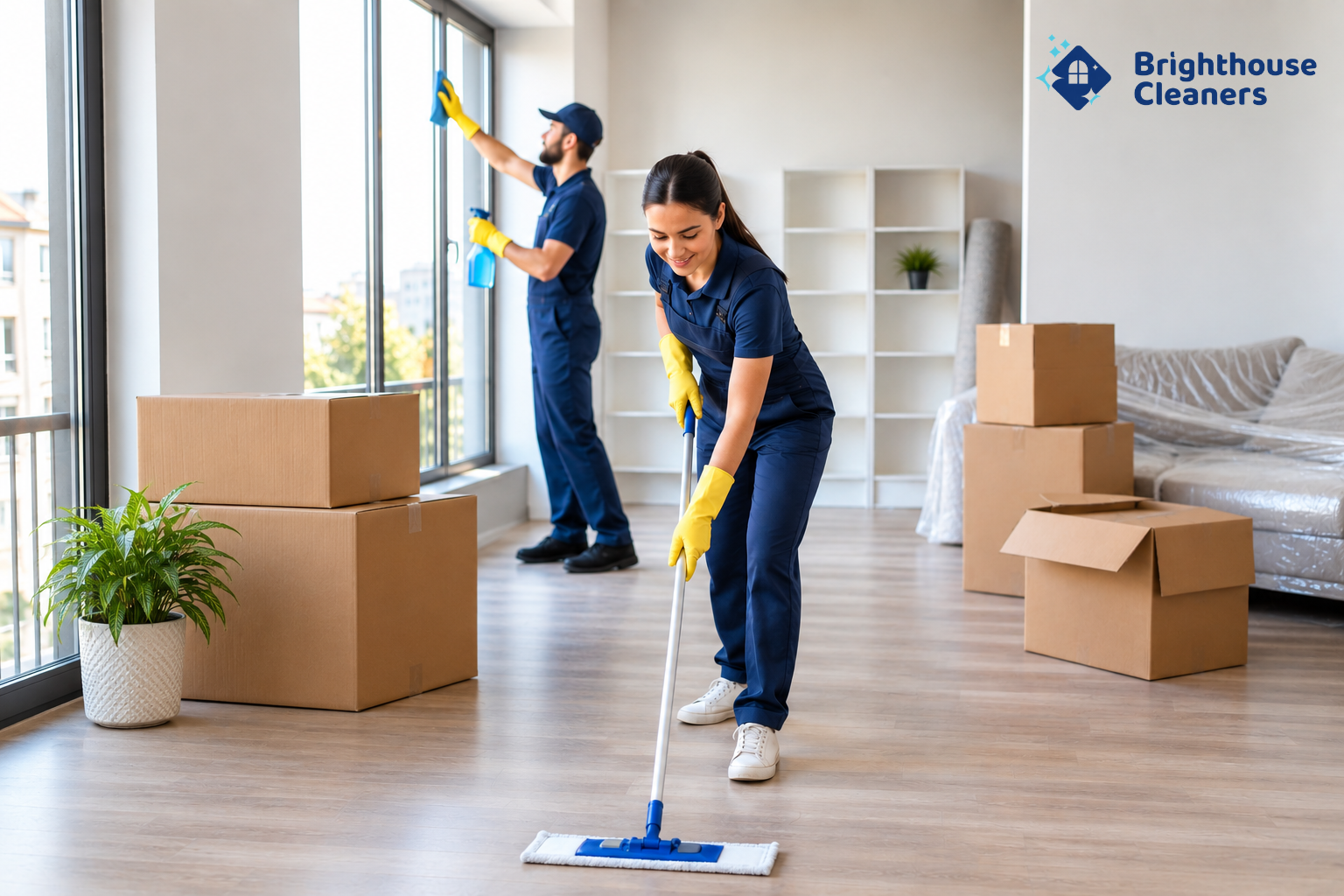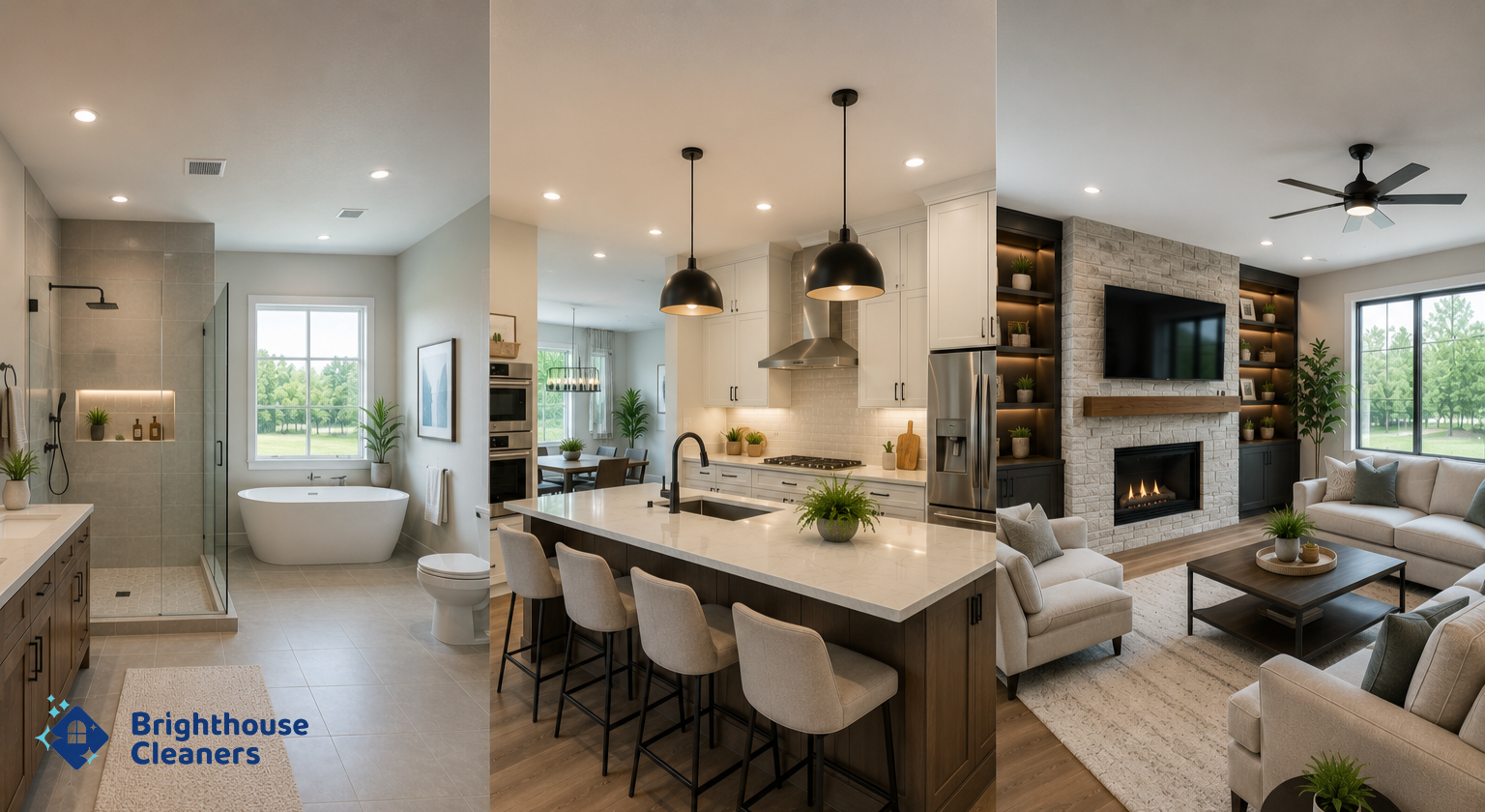
Top Deep Cleaning Spots Every Homeowner Should Focus On
Deep cleaning goes beyond the usual tidying up. It's all about getting rid of the buildup, dust, grease, and hidden allergens that regular cleaning misses. Wondering which areas in your home need the most love during a deep clean? It's those sneaky spots where debris quietly collects, affecting air quality and making a big difference in how your home looks and feels.
In this guide, we’ll highlight the key areas to target, why they matter, and how to clean them effectively. Whether you’re getting ready for spring cleaning, working on home sanitation, or thinking about getting help from deep cleaning services, you’ll know exactly where to focus for the best results. Many people also find it helpful to combine a deep clean with regular home cleaning or a flexible one-time cleaning plan.
Deep cleaning trends are leaning towards a whole-home approach that targets both the obvious and hidden spaces. This makes sense since missed areas can trap dust and allergens, impacting comfort and health. The Environmental Protection Agency mentions that indoor air can be affected by household pollutants, so a more thorough cleaning strategy can support healthier living. You can learn more about indoor air quality on the EPA indoor air quality page. A deep clean isn’t just about looks; it’s about prevention, freshness, and peace of mind.
Why Deep Cleaning is More Important Than Routine Cleaning
It Reaches the Buildup You Stop Noticing
Routine cleaning handles the daily mess, but deep cleaning tackles the grime and dust that slowly build up in corners, along baseboards, and behind furniture. Over time, these areas can make a home feel dull even when the surfaces look fine. A thorough reset brings back brightness and makes the whole house feel more comfortable.
Many people are surprised at how different a room can feel after a detailed clean of common living areas. A room might look fine at first glance, but once you clean the vents, trim, under-sofa space, and window tracks, it feels fresher and less stale. This is why cleaning experts in Fredericksburg often suggest a deep clean before starting regular upkeep.
It Supports Healthier Indoor Spaces
Deep cleaning helps reduce allergens and moisture-related issues. Dust, pet dander, grease, and bathroom residue can gather in hidden places and contribute to poor indoor conditions. The CDC Healthy Homes resources highlight that a cleaner home can help support better health, especially for families dealing with allergies or sensitivities.
This matters even more for homes with kids, pets, or frequent guests. Kitchens and bathrooms are particularly important since they deal with moisture, bacteria, and frequent handling. A good deep-clean process helps reduce buildup before it becomes a bigger issue, supporting a cleaner, safer space overall.
The Kitchen: The Heart of the Deep Clean
Appliances and Hidden Grease Zones
Kitchens usually need the most attention during a deep clean due to food residue, grease, steam, and heavy use. Start with the appliances like the stove, oven, refrigerator, microwave, and dishwasher exteriors. Don't forget the sides, backs, handles, and edges where grease and fingerprints build up.
Behind appliances is another critical spot. Dust, crumbs, and grease gather in these tight areas and are often ignored during routine cleaning. Using crevice tools and safely moving appliances helps remove debris that can attract pests and create stubborn odors. If you’re planning a full kitchen reset, consider pairing it with apartment cleaning or a broader home service when the space needs more than a surface refresh.
Cabinets, Drawers, and Touchpoints
The inside of cabinets and drawers should also be part of your deep-clean checklist. Food crumbs, spills, and dust settle in these spaces over time, especially near utensils, pantry items, and sink storage. Wiping shelf liners, vacuuming crumbs, and cleaning handles can dramatically improve both hygiene and appearance.
According to industry experts, kitchens are common places for hidden buildup, which is why many professional cleaners include detailed cabinet care in their premium packages. The focus on hard-to-reach and overlooked areas reflects a broader trend in the cleaning industry toward more comprehensive home sanitation. For those who want that level of detail without doing every step themselves, professional deep cleaning is often the most efficient option.
Sink, Disposal, and Backsplash Details
Kitchen sinks collect food residue, soap film, and bacteria, especially around the drain and faucet base. The sink area should be scrubbed thoroughly, then disinfected where appropriate. If your disposal has odors, cleaning around the splash guard and using an approved cleaning method can help refresh the whole area.
Backsplashes are another overlooked zone. Cooking splatter hardens on tile, grout, and grout lines over time, and it becomes much easier to remove during a deep clean before it bakes on. A clean backsplash instantly makes the kitchen feel brighter and more cared for, providing such a visible payoff.
Bathrooms: Moisture, Bacteria, and Soap Film
Shower Walls, Grout, and Fixtures
Bathrooms are high-priority deep-clean spaces because moisture creates ideal conditions for soap scum, mildew, and residue to accumulate. Shower walls, doors, tiles, grout, and tubs should be scrubbed with attention to corners and seams. These areas often require more than a quick wipe since mineral buildup and moisture stains cling to surfaces.
Grout lines and shower tracks deserve special care. They trap grime and become discolored if not cleaned regularly. For households wanting a cleaner, more consistent result, a scheduled service such as home cleaning can help maintain bathrooms between seasonal deep cleans. If a bathroom has heavy buildup, a targeted deep cleaning session is usually necessary.
Toilets, Sinks, and High-Touch Surfaces
Toilets should be cleaned from top to bottom, including the base, hinges, seat, and surrounding floor area. Sinks, countertops, faucet handles, and light switches also need careful disinfection. These high-touch surfaces harbor germs and residue, so deep cleaning should always include a detailed wipe-down.
Don’t forget mirrors, cabinet fronts, and the space under the vanity. Bathrooms often look cleaner than they are because visible surfaces shine while hidden spots collect dust and splash marks. A full deep clean corrects this and leaves the room feeling sanitary instead of just neat.
Vents, Fans, and Moisture Control
Vent covers and exhaust fans are more important than many realize. Dust on vents or bathroom fans can reduce airflow, making moisture linger longer after showers. This can lead to odors and mold over time. Regular cleaning of these fixtures helps the room stay fresh.
The National Institute of Environmental Health Sciences notes that indoor dampness and mold can affect health, so moisture control is a maintenance priority. Learn more about mold and dampness at the NIEHS mold information page. This is why bathrooms should be one of the first areas addressed in a deep-clean plan.
Bedrooms and Living Areas: Dust, Fabric, and Forgotten Surfaces
Under Furniture and Behind Large Pieces
Bedrooms and living rooms might look clean but often hide the highest dust levels. Under beds, behind dressers, and beneath couches are common spots for lint, pet hair, and allergens. Moving furniture carefully and vacuuming these zones can improve freshness almost immediately.
Recent cleaning discussions highlight these “hidden spots” as major contributors to a stale feel in homes. A Homes & Gardens article points out how spaces behind furniture can hold enough dust to affect a room’s atmosphere. This reflects the growing focus on allergen reduction and indoor air quality during deep cleaning.
Upholstery, Rugs, and Soft Surfaces
Soft surfaces need special attention since they absorb dust, odors, and wear. Vacuum upholstery thoroughly, clean beneath cushions, and check rug edges and corners where debris collects. If pet hair is a recurring issue, a deep clean can make fabrics look and smell noticeably better.
For those wanting to protect furnishings while improving cleanliness, it helps to rotate cushions, spot-treat stains, and use the right attachment tools. Extendable dusters, upholstery nozzles, and HEPA-filter vacuums make a substantial difference. The goal isn’t just to remove visible dirt but to refresh the entire room from floor to ceiling.
Walls, Baseboards, and Trim
Walls and baseboards are often skipped because they don’t seem dirty until you look closely. Yet fingerprints, dust streaks, scuff marks, and pet marks add up quickly. Wiping these surfaces during a deep clean gives bedrooms and living rooms a much more polished appearance.
Include window sills, blinds, and trim as well. Dust in these areas circulates every time airflow changes or curtains move. A detailed pass through these surfaces improves the overall cleanliness of the room and creates a more restful, comfortable environment.
Floors, Vents, and Hard-to-Reach Edges
Vacuuming Beyond the Obvious Areas
Floors are the foundation of any deep clean, but the strategy should go beyond a quick pass through open space. Move slowly around edges, under furniture, and along floor transitions where dust and debris accumulate. If you have carpeting, vacuuming in multiple directions can lift embedded particles more effectively.
Hard flooring needs detailed care too. Mop under table edges, around chair legs, and near appliances. After a renovation or a big seasonal reset, you might benefit from post-construction cleaning to remove fine dust that settles in floor seams and corners.
Vent Covers, Returns, and Air Pathways
Air vents and returns are some of the most overlooked deep-clean targets, yet they influence how dust travels through a house. When dirty, they can make a freshly cleaned room feel dusty again quickly. Removing vent covers and cleaning them carefully can improve the whole-home feel.
Also, check areas around baseboard heaters, floor registers, and ceiling fans. These locations collect a surprising amount of dust over time. Addressing them during a deep clean supports better airflow and prevents particles from circulating back into the room.
Entryways and Transition Spaces
Entryways, hallways, and mudroom-style spaces need attention because they’re the first stop for dirt from outside. Shoes, bags, and outdoor gear leave behind soil, grit, and moisture that quickly spread through the house. Cleaning mats, baseboards, and floor corners in these areas reduces how much debris moves indoors.
This is especially helpful during high pollen or wet weather seasons. Homes in Virginia often deal with seasonal allergens, so deep cleaning these transition areas can make a noticeable difference in daily comfort. This is why many families schedule a comprehensive reset during spring or after peak allergy season.
Why Hidden and Overlooked Spots Deserve Extra Time
Behind Appliances and Furniture
Hidden spots often impact how fresh a home feels more than visible areas. Dust behind the refrigerator, crumbs under the stove, and debris behind furniture can create odors and attract pests if ignored too long. These zones should always be part of a deep-clean checklist because they’re low-visibility but high-impact.
Professional cleaners often start with the top-to-bottom method to prevent recontamination. Dust from upper shelves and ledges falls downward, so cleaning high surfaces first saves time later. This approach is seen as a smart practice in the industry and is especially effective when paired with the right tools and a structured plan. Many homeowners choose move-in & move-out cleaning or a one-time reset to ensure these hidden areas are fully addressed.
Closets, Shelves, and Storage Zones
Closets and storage spaces collect dust faster than most realize. Shoes, bins, seasonal clothing, and rarely moved items create hidden layers of buildup. A deep clean should include wiping shelves, vacuuming closet floors, and checking corners for cobwebs or debris.
Storage areas also offer a good chance to declutter. If you’re cleaning one shelf only to move clutter back in, the results won’t last. Deep cleaning works best with simple organization steps because cleaner surfaces are easier to maintain when every item has a place.
Light Fixtures and Ceiling Details
Ceiling fans, light fixtures, and crown molding collect dust that’s easy to miss from eye level. Cleaning these areas can dramatically improve how a room looks, especially when sunlight hits them. High dust removal also helps reduce the slow drift of particles onto furniture and floors.
Experts recommend starting at the top of the room and moving downward for this reason. The method keeps cleaned areas cleaner for longer and reduces wasted effort. It also supports a more efficient workflow, especially for larger homes or when using specialized equipment like extendable dusters.
How Often Should You Deep Clean These Areas?
The General Timeline
For most households, a full deep clean every 6 to 12 months is a practical starting point. However, that timeline changes based on household size, pets, allergies, smoking, cooking habits, and how much traffic the home sees. Families with children or pets may need more frequent attention in high-use areas like kitchens and bathrooms.
A one-size-fits-all schedule doesn’t work well. Some homeowners prefer seasonal deep cleaning, while others schedule a detailed reset before holidays, after events, or during major transitions. If you need a tailored approach, one-time cleaning can be a useful option when the home needs a focused refresh without a recurring plan.
Signs Your Home Needs Attention Sooner
If rooms feel dusty shortly after cleaning, if odors linger, or if you see buildup in corners and around fixtures, it's probably time for a deeper reset. Another sign is when regular cleaning starts taking longer because grime has built up in places you used to skip. Those are early indicators that the home needs more than standard maintenance.
Stubborn bathroom residue, greasy kitchen surfaces, and visible dust on vents or trim are also good clues. The more these issues appear, the more benefit you’ll get from a targeted deep clean. Addressing them early often saves time, effort, and frustration later.
When to Consider Professional Help
DIY deep cleaning is possible, but not every household has the time, equipment, or energy to do it thoroughly. Professional cleaners bring structure, experience, and specialized tools that make hard-to-reach areas more manageable. They also know how to work efficiently from top to bottom without missing important details.
For those comparing options, it helps to think about the size of the job and the condition of the home. A full reset after a busy season, move, or remodel may be better suited to professional help than a weekend project. This is especially true if you want consistent results across kitchens, bathrooms, floors, and hidden spaces.
A Practical Room-by-Room Deep Cleaning Checklist
Kitchen Checklist
- Clean appliance exteriors, handles, and control panels
- Move and clean behind large appliances when safe.
- Wipe inside cabinets and drawers.
- Scrub sink, faucet, and backsplash surfaces
- Remove crumbs and grease from corners and trim
Bathroom Checklist
- Scrub tub, shower, doors, and tile grout
- Disinfect toilet, sink, and faucet handles
- Clean mirrors, vents, and fans
- Wipe cabinet fronts and under-sink storage.
- Address moisture-prone spots to reduce mold risk
Bedroom and Living Area Checklist
- Vacuum under beds and furniture
- Dust blinds, shelves, trim, and baseboards
- Clean upholstery and cushions
- Wash or vacuum rugs thoroughly.
- Wipe switches, door frames, and high-touch areas
Conclusion: Focus on the Spots That Make the Biggest Difference
Think about which areas in your home need the most attention during a deep clean. Start with spaces that collect hidden grime, allergens, and moisture. Kitchens, bathrooms, under furniture, behind appliances, vents, baseboards, and soft surfaces all need extra care because they influence how clean your home feels and how healthy it is to live in. A thoughtful deep clean does more than tidy up; it restores comfort, freshness, and confidence in your space.
If you want a more complete reset, Brighthouse Cleaners can help with detailed deep cleaning, ongoing home cleaning, or specialized support like Airbnb cleaning for property turnovers. For homeowners in Fredericksburg, professional help can be especially valuable when seasonal allergens, busy schedules, or larger cleaning projects make a thorough DIY deep clean tough to manage alone.
Ready to give your home a true reset? Explore your cleaning options, choose the areas that need the most attention, and take the next step toward a cleaner, healthier living space with Brighthouse Cleaners.