That sharp “just cleaned” smell can feel reassuring right up until it triggers a headache, irritated eyes, or a coughing fit. It is no surprise that many homeowners and businesses ask, are eco friendly cleaning products safer, especially when children, pets, employees, or frequent guests share the space.
The short answer is often yes, but not always in every way and not for every use. “Eco friendly” usually points to products designed to reduce environmental impact and limit exposure to certain harsh ingredients. That can make them a better fit for people who are sensitive to strong fumes or who want a gentler day-to-day cleaning routine. But safer does not mean harmless, and greener does not automatically mean stronger, better, or right for every cleaning job.
Are eco friendly cleaning products safer for everyday use?
For routine cleaning, many eco friendly products can be safer in practical, real-life terms. They often contain fewer volatile compounds, less aggressive fragrances, and fewer ingredients that leave behind a heavy chemical odor. In homes, that can matter when families are wiping kitchen counters, cleaning bathrooms, or freshening floors several times a week. In offices or rental properties, it can also matter because people return to those spaces quickly after cleaning.
One of the biggest advantages is reduced irritation. Traditional cleaners can sometimes contribute to watery eyes, skin dryness, throat irritation, or lingering smells that feel overwhelming in enclosed rooms. Eco friendly formulas are often made to lower that burden. For households with kids who touch every surface, pets that spend time on floors, or adults with sensitivities, that difference can feel immediate.
There is also a comfort factor that should not be dismissed. Many people simply want a clean home without feeling like they have to air out the whole house afterward. A product that cleans effectively and leaves the room feeling fresh rather than harsh can be a better everyday choice.
What “safer” really means
The word safer needs context. It can mean safer for indoor air, safer for frequent contact with cleaned surfaces, safer for the person doing the cleaning, or safer for the environment after the product goes down the drain. Those are related ideas, but they are not identical.
A cleaner may be safer for the environment because it breaks down more easily, yet still irritate skin if used without gloves. Another may be gentler to breathe around but less effective against heavy grease, soap scum, or post-construction dust. That is why broad claims can be misleading. The real question is safer than what, and for which purpose?
For most households, safer usually means reducing unnecessary exposure during regular cleaning. That is especially relevant in bedrooms, kitchens, nurseries, and shared workspaces where strong residue or fumes are not welcome. It is less about perfection and more about choosing products that balance cleanliness with lower risk.
Where eco friendly products tend to do better
Eco friendly cleaners often shine in maintenance cleaning. They can handle the jobs that keep a home or workplace consistently presentable, such as wiping surfaces, removing light bathroom buildup, cleaning glass, dusting, and keeping floors in good shape. When cleaning happens regularly, you often do not need the strongest possible formula. You need something reliable, manageable, and less likely to make the space uncomfortable afterward.
That matters for busy households and commercial spaces alike. A family trying to stay ahead of messes every week usually benefits from products that are effective without being overpowering. The same goes for offices, apartment turnovers, and short-term rentals where a clean presentation matters, but so does the comfort of the next person walking through the door.
Eco friendly products can also be a smart fit for people who clean often. Repeated exposure matters. Even if a single use of a conventional cleaner does not seem like a big deal, frequent use over time may be tougher on skin and indoor air. A gentler product used consistently can reduce that strain.
Where the answer gets more complicated
There are times when eco friendly products may not be enough on their own. Heavy mineral buildup, grease that has accumulated for months, severe soap scum, and post-renovation debris can require more specialized methods or stronger formulations. That does not mean green products are ineffective. It means cleaning is situational.
Disinfection is another area where people should be careful with assumptions. Cleaning and disinfecting are not the same thing. A surface can look spotless and still not be disinfected to the standard needed in a high-risk setting. If someone in the home is sick, if there has been contamination from bodily fluids, or if a commercial environment has stricter sanitation expectations, the safest choice may involve a targeted disinfectant used correctly.
This is where professional judgment matters. Good cleaning is not about choosing one philosophy and applying it to every surface the same way. It is about matching the product and method to the soil level, the material, and the health needs of the people using the space.
Labels can help, but they are not the whole story
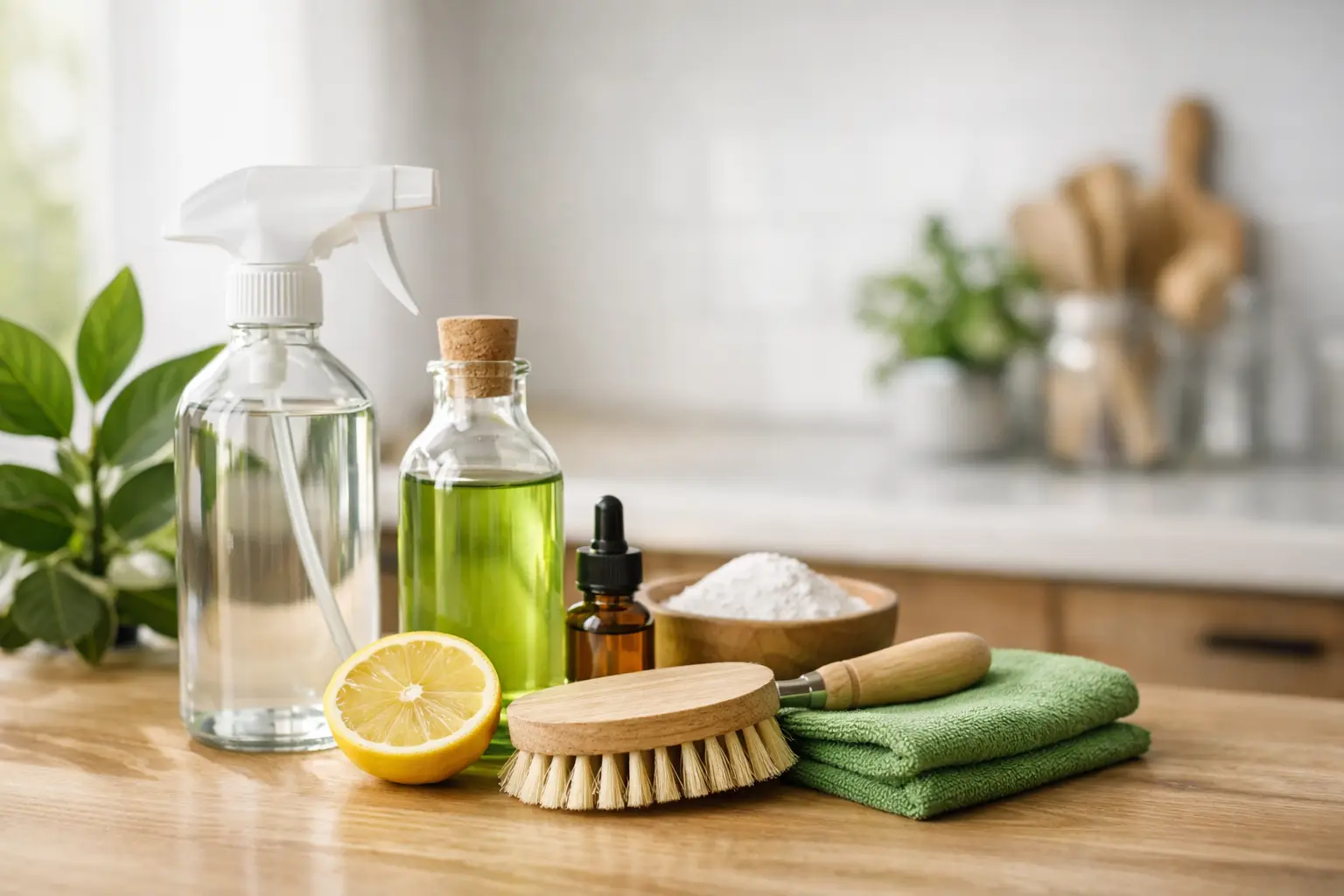
A green label, a plant image, or words like natural and non-toxic can influence buying decisions fast. But marketing language is not the same as clear performance information. Some products are genuinely thoughtful and well-formulated. Others rely more on presentation than substance.
The better approach is to look beyond the front label. Product instructions, intended use, and whether the cleaner is suitable for the specific surface all matter. So does how it is stored and used. Even a milder cleaner can become a problem if it is mixed improperly, sprayed in an unventilated space, or left where children can reach it.
How to choose safer cleaning products without sacrificing results
Start with the task. If you are maintaining a reasonably clean kitchen or bathroom, an eco friendly everyday cleaner may be the right fit. If you are dealing with baked-on grime, neglected buildup, or a move-out situation, you may need a stronger solution or a more detailed cleaning process.
It also helps to think about the people in the space. Households with small children, older adults, pets, or anyone sensitive to fragrances may benefit from lower-odor products and simpler ingredient profiles. In a workplace, that same logic applies to staff and visitors who spend hours indoors.
Fragrance deserves special attention. Many people assume the strongest smell equals the strongest clean, but that is not true. In fact, added fragrance can be one of the biggest triggers for discomfort. If safer is the goal, low-fragrance or fragrance-free options are often worth considering.
Application matters too. The safest product on paper will not help much if it is overused. Using the right amount, allowing proper dwell time, rinsing when needed, and keeping rooms ventilated all improve both safety and performance.
Why professional cleaning often gets better outcomes
One reason people get mixed results with eco friendly products is not the product itself. It is technique. Build-up, surface type, dilution, contact time, and the order of operations all affect the result. A trained cleaner can often get excellent results with milder products because the process is more precise.
That is especially useful in homes and businesses where consistency matters. A dependable cleaning routine usually prevents the kind of heavy buildup that forces you into harsher solutions later. For many clients, that is the sweet spot: maintain the space well, use practical products, and reserve stronger options for the few situations that truly call for them.
For local families and businesses in the Fredericksburg area, that balanced approach can make a noticeable difference. It supports a cleaner space that feels comfortable to live or work in, without treating every room like an extreme cleanup project.
The best answer is usually balance, not extremes
So, are eco friendly cleaning products safer? In many day-to-day situations, yes. They can reduce strong fumes, lower irritation, and make regular cleaning more comfortable for the people who use the space. That alone is a meaningful benefit.
At the same time, safer does not mean risk-free, and eco friendly does not automatically mean the best tool for every mess. Some jobs require stronger chemistry, targeted disinfection, or professional methods to get the right result. The smartest choice is not about chasing the greenest label or the toughest smell. It is about using the right product, in the right way, for the right cleaning need.
A clean space should feel fresh, manageable, and safe to return to. When your cleaning choices support all three, you are usually on the right track.