
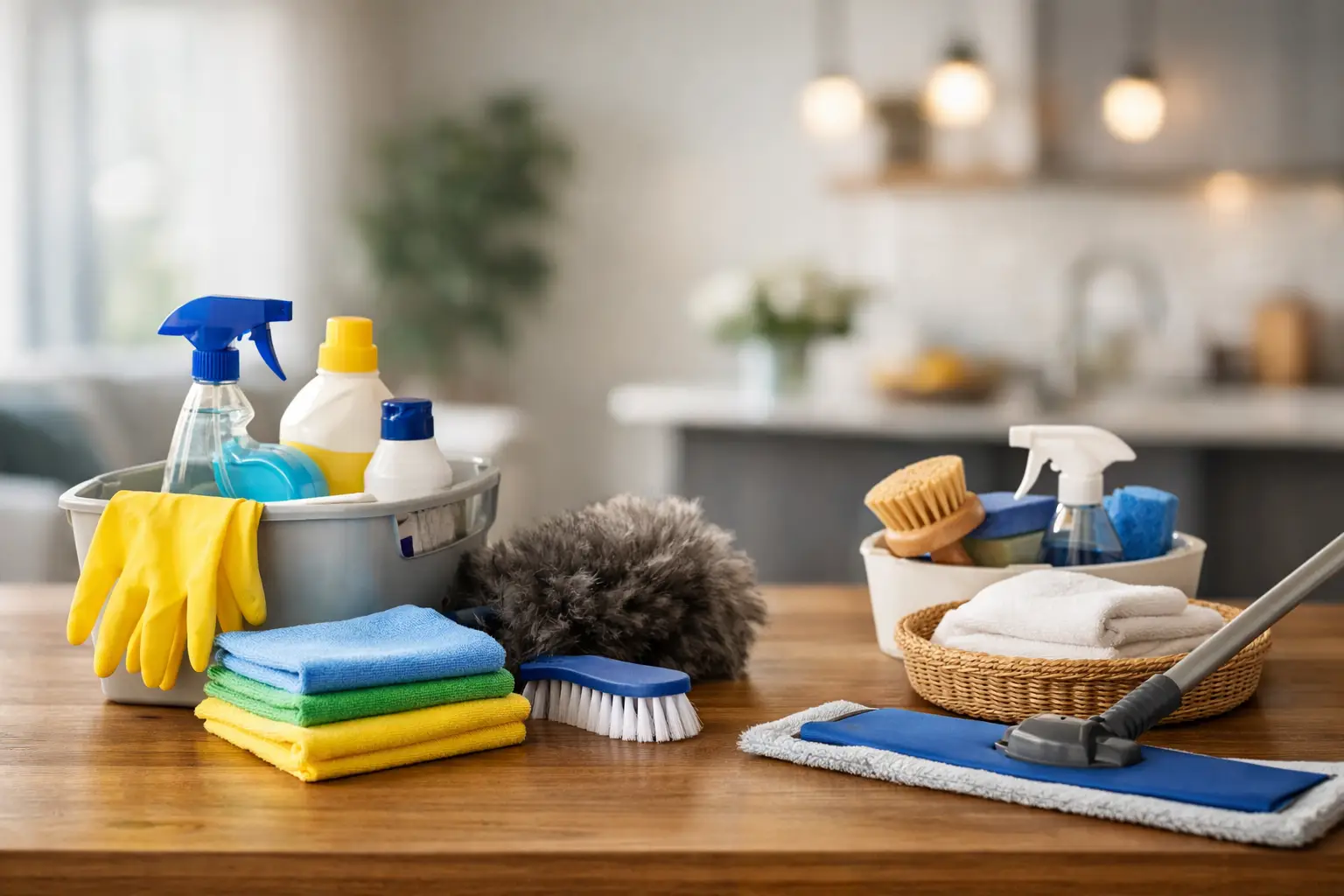
A clean home rarely comes from one big burst of effort. It usually comes from a realistic routine that keeps mess from building up in the first place. The best house cleaning schedule is the one you can actually follow, whether you live alone, manage a busy family home, or juggle work, errands, and everything in between.
That is where many cleaning plans fall apart. They look great on paper, but they ask too much on the wrong days. If your schedule leaves you spending half of Saturday catching up on bathrooms, floors, laundry, and kitchen buildup, it is probably not the right schedule. A better approach is to break cleaning into manageable layers so your home stays consistently fresh without taking over your week.
What makes the best house cleaning schedule work
A good cleaning schedule is less about perfection and more about rhythm. Homes stay cleaner when high-use areas get quick attention often, while lower-priority tasks are spread out over time. That balance matters because not every room gets dirty at the same speed.
Your kitchen and bathrooms usually need frequent care because they collect grease, moisture, and germs fast. Bedrooms, guest rooms, and formal spaces may need less frequent attention. Floors depend on whether you have kids, pets, or a lot of foot traffic. The best plan reflects how your home is actually used, not how an idealized home should look.
This is also why one-size-fits-all advice can be frustrating. A working couple in an apartment needs a different routine than a family with three children and a dog. If you host often, work from home, or manage a rental property, your schedule should adapt to that reality.
A practical daily cleaning rhythm
Daily cleaning should feel light. These are the tasks that prevent clutter and grime from spreading, not the ones that leave you exhausted before dinner.
In most homes, the kitchen needs the most consistent attention. Wiping counters, loading or unloading the dishwasher, cleaning the sink, and doing a quick sweep of crumbs can make the whole home feel more under control. If you cook often, cleaning as you go will save far more time than letting everything stack up.
Bathrooms also benefit from short daily resets. You do not need to scrub the tub every day, but wiping the vanity, rinsing the sink, and keeping towels and toiletries in order helps prevent that worn-down feeling that creeps in quickly.
A five- to ten-minute whole-house pickup can be enough for the rest. Put shoes back where they belong, clear mail from counters, fold a blanket, and return items to their rooms. That simple reset keeps daily life from turning into weekend chaos.
The weekly house cleaning schedule that keeps control
Weekly cleaning is where the deeper maintenance happens. This is the layer that keeps your home from looking clean at a glance but neglected up close.
Most households benefit from cleaning bathrooms thoroughly once a week. That usually means scrubbing toilets, wiping mirrors, disinfecting high-touch surfaces, and cleaning tubs or showers. In the kitchen, weekly work often includes wiping appliance fronts, cleaning the microwave, mopping the floor, and paying more attention to corners and buildup.
Dusting and vacuuming should also land in the weekly routine for most homes. If you have pets, children, or allergies, you may need to vacuum more often, especially in living rooms and bedrooms. Hard floors usually need more than a quick sweep once a week if your home sees a lot of traffic.
Changing sheets, emptying trash cans, and tidying entryways are easy weekly wins too. These tasks are not dramatic, but they make a home feel fresher and more settled.
A simple weekly breakdown
If cleaning everything in one day feels like too much, divide tasks by day. For example, you might handle bathrooms on Monday, dusting on Tuesday, floors on Wednesday, kitchen details on Thursday, and fresh linens on Friday. This approach works well for busy households because it spreads effort out and keeps weekends more open.
If you prefer one main cleaning day, keep your daily resets in place during the week so that deep weekly cleaning stays manageable. The right choice depends on your energy and schedule. Some people like one focused session. Others are more consistent with shorter blocks.
Monthly tasks that make a visible difference
Monthly cleaning is often what separates a home that is simply picked up from one that feels truly well maintained. These tasks do not always need immediate attention, but delaying them too long creates more work later.
This is a good time to clean baseboards, wipe doors and trim, dust ceiling fans, vacuum under furniture, and spot-clean walls. In the kitchen, monthly tasks might include wiping cabinet fronts, cleaning behind small appliances, and checking the refrigerator for expired food or spills. In bathrooms, it may mean addressing grout, vents, and areas where soap scum tends to build.
Windows, blinds, and light fixtures usually fit better in a monthly or seasonal plan than a weekly one. The same goes for closet tidying, pantry organization, and rotating or donating items you no longer use. These jobs are easy to postpone, but they contribute a lot to how clean and calm your space feels.
How to build the best house cleaning schedule for your home
The most effective routine starts with your pressure points. Look at the areas that bother you first when they get messy. For some households, it is the kitchen sink and counters. For others, it is pet hair on the floors or fingerprints on bathroom mirrors. Start there, because those are the tasks that deliver the biggest sense of relief.
Next, be honest about your available time. A detailed plan is not helpful if your weekdays are packed from morning to evening. In that case, a lighter daily reset and a weekly professional cleaning may be a better fit than trying to do everything yourself.
You should also think in terms of standards, not guilt. Some homes need to be guest-ready often. Others just need to stay sanitary and comfortable during a hectic season of life. A family with young children may accept more toy clutter while staying strict about kitchen and bathroom hygiene. That is not falling behind. That is prioritizing well.
When schedules need to change
A cleaning routine should not be rigid. During holidays, back-to-school months, home renovations, illness, or moving periods, the usual plan may stop working. That is normal. A good schedule bends when life gets busy and then returns when things settle down.
This is especially true for households preparing for guests, listings, or move-outs. Those moments often call for a deeper reset than a normal weekly schedule can provide. In those cases, outside help can save time and reduce stress.
When professional cleaning makes the schedule easier
There is a difference between having a cleaning schedule and having enough time to keep up with it. Many homeowners and renters can manage light maintenance but struggle with the deeper recurring tasks that keep a home consistently clean.
Professional cleaning works well when your goal is consistency, not just rescue cleaning. A recurring service can take care of the bathrooms, floors, dusting, kitchen surfaces, and detail work that are easiest to postpone. That leaves you with simple daily upkeep instead of a long list hanging over every weekend.
For busy households in the Fredericksburg area, this can be the difference between always catching up and feeling in control. A customized plan is often the most practical version of the best house cleaning schedule because it matches the home, the budget, and the pace of daily life. BrightHouse Cleaners, for example, builds service around that kind of flexibility rather than forcing every home into the same routine.
Common mistakes that make cleaning schedules fail
The biggest mistake is trying to clean by mood instead of by system. When tasks are left entirely to motivation, they usually pile up until the house feels overwhelming. A simple repeating plan removes that decision fatigue.
Another issue is overloading one day. If every major task lands on Saturday, cleaning starts to feel like punishment. Spreading work out, or outsourcing part of it, tends to be more sustainable.
It also helps to avoid assigning the same frequency to every task. Vacuuming, wiping counters, and cleaning toilets need more attention than washing windows or dusting a guest room. When everything is treated as equally urgent, people burn out and stop following the plan.
The best house cleaning schedule is not the strictest one. It is the one that keeps your home sanitary, comfortable, and ready for daily life without demanding more time than you can realistically give. Start smaller than you think you need, adjust as patterns become clear, and let consistency do the heavy lifting. A home feels better when cleaning becomes part of the rhythm instead of a project you keep dreading.