
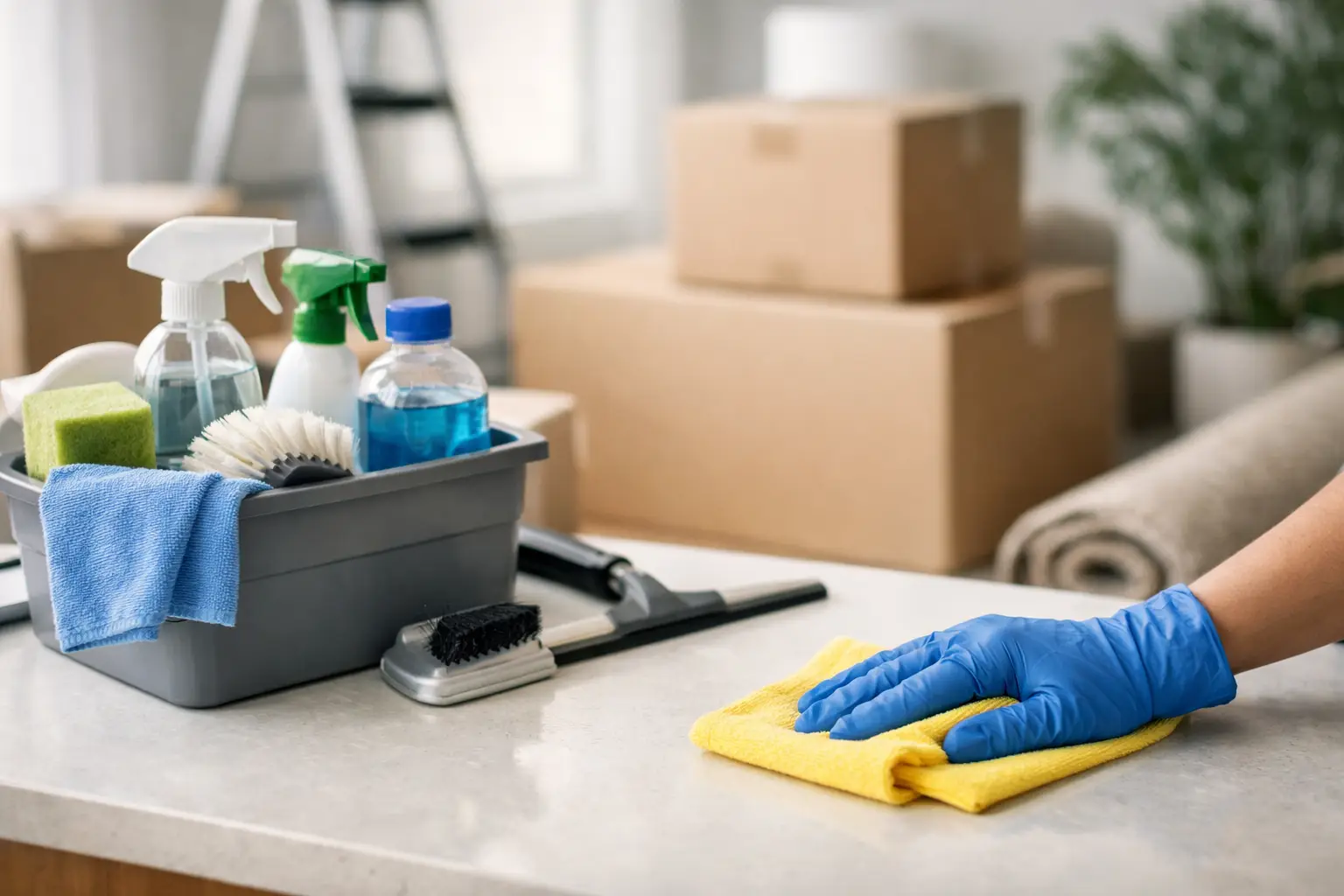
Moving day has a way of making even organized households feel rushed. If you are figuring out how to clean before moving, the key is not cleaning harder – it is cleaning in the right order, with the right expectations, before the last box is taped shut.
A move-out clean is different from routine house cleaning. You are not just freshening the place up for your own comfort. You are preparing the home for a walkthrough, a landlord, a buyer, new tenants, or the next chapter for someone else. That means details matter more than usual, especially in kitchens, bathrooms, floors, and the spots furniture used to hide.
How to clean before moving without making it harder
The biggest mistake people make is waiting until the home is empty and then trying to do everything at once. An empty house does make certain tasks easier, but if every room still needs deep attention, the job can quickly turn into an all-day project when you are already tired from packing and lifting.
A better approach is to clean in stages. Start with low-use areas while you are still living in the home. Wipe baseboards, dust ceiling fans, clean extra closets, and handle storage spaces early. Save the kitchen, bathrooms, and floors for last, since those areas collect fresh messes right up to move-out day.
It also helps to think in layers. Begin high, move to eye level, and finish low. Dust settles downward, so if you vacuum first and then wipe shelves and fans, you create more work for yourself.
Start with a realistic plan
Before you spray a single surface, walk through the home with a notepad or your phone and identify what actually needs attention. Some homes need a standard move-out clean. Others need a deeper reset because of pets, cooking residue, hard water buildup, or long-term wear.
This is where honesty saves time. If your oven has not been cleaned in a year, that is not a 10-minute task. If the refrigerator is still full, you are not ready to sanitize it. A realistic plan keeps small jobs from turning into last-minute stress.
Gather supplies before you begin. At minimum, you will want an all-purpose cleaner, glass cleaner, disinfecting bathroom cleaner, degreaser, microfiber cloths, scrub sponges, a vacuum, a mop, trash bags, and a broom or dustpan. If you are cleaning walls, cabinets, or delicate finishes, choose products that are effective but not too harsh. Stronger is not always better, especially if it damages paint or leaves residue.
Clean room by room, but save floors for the end
A room-by-room method works best because it creates visible progress and keeps you from bouncing around the house. Still, treat floor cleaning as the final pass in each area or, better yet, one final whole-home step after everything else is complete.
Kitchen
The kitchen usually takes the longest, and it is often the room judged most closely. Start by emptying cabinets and drawers completely. Once they are empty, vacuum crumbs from corners, wipe interior surfaces, and clean handles and fronts. Grease tends to build up around pulls, edges, and above the stove.
Appliances need more than a quick wipe. Clean inside the refrigerator after it is emptied and defrosted if needed. Wipe shelves, drawers, seals, and handles. The oven may need a dedicated degreasing product and extra dwell time. Do not forget the stovetop, drip pans, vent hood, backsplash, and the wall area behind small appliances.
Finish with countertops, sink, and faucet. A polished sink and spot-free faucet make the whole kitchen feel cleaner, even if the space is simple.
Bathrooms
Bathrooms show buildup quickly, so this is another area where detail matters. Spray the shower, tub, toilet, and sink first so the product has time to work. Then clean mirrors, light fixtures, and any shelving while those surfaces soak.
Scrub tile, grout lines, and around fixtures carefully. Hard water marks and soap scum tend to collect around faucets, shower doors, and drain areas. Wipe cabinet fronts, drawers, and the base around the toilet, which is easy to overlook. Replace trash bags and make sure the room smells fresh rather than heavily perfumed.
Bedrooms and living areas
These spaces are usually simpler, but they still need a full reset. Dust ceiling fans, vents, blinds, windowsills, trim, shelves, and baseboards. Wipe doors, door frames, and light switches. If the walls have scuffs, spot clean gently.
Closets deserve special attention because they are often checked during final walkthroughs. Once they are empty, remove dust from shelves and corners and vacuum thoroughly. If you had furniture against the wall for years, expect to find dust buildup that routine cleaning never reached.
Entryways, hallways, and utility spaces
These areas collect heavy traffic and often get ignored because they do not seem like full rooms. Yet they leave a strong impression. Wipe railings, clean doors inside and out, remove cobwebs from corners, and clear dirt from edges where the vacuum may not usually reach.
Laundry rooms and utility spaces should also be cleaned out, especially around and behind machines if they are staying with the property. Dust and lint build up faster there than many people realize.
Don’t forget the places people notice right away
When people walk into a home, they may not inspect every shelf, but they do notice overall freshness. Smudged light switches, dusty baseboards, fingerprints on doors, and crumbs in cabinet corners can make the entire home feel less cared for.
If you are short on time, prioritize the high-visibility items first. Clean glass, sanitize bathrooms, wipe kitchen surfaces thoroughly, remove trash, and vacuum well. Then go back for detail work. This is not ideal, but it is better than spending an hour on one appliance while the rest of the home still looks unfinished.
There is also a difference between lived-in wear and actual dirt. Minor wall marks or older carpet stains may not come out completely. The goal is to leave the space clearly cleaned, not to make an older property look brand new.
How to handle timing on move-out day
If possible, pack almost everything before the final cleaning begins. Cleaning around boxes leads to missed spots, and packed rooms are harder to finish properly. The best-case scenario is a nearly empty home, with only your essential items left for the last night.
On the final day, focus on the rooms still in use. That usually means one bathroom, the kitchen, and the main traffic path to the door. Once the truck is loaded, do one last pass for floors, closets, cabinets, and forgotten items.
This is also the right moment to check the refrigerator, oven, washer area, and any outdoor entry points. Many people clean the obvious rooms and then remember too late that they never looked inside the microwave or swept the porch.
When professional help makes sense
Sometimes the best answer to how to clean before moving is to not do it alone. If you are managing work, family, a long-distance move, or a tight lease deadline, outsourcing the cleaning can protect your time and lower your stress.
That is especially true if the property needs more than a light touch. Heavy kitchen grease, pet hair, post-renovation dust, or multiple bathrooms can turn a simple plan into a physically demanding project. A professional move-out cleaning is also helpful when you want a more polished result for a landlord inspection, a home sale, or incoming tenants.
For homeowners and renters in the Fredericksburg area, this is often less about convenience alone and more about staying on schedule. A trained cleaning team can usually move faster, spot issues you might miss, and handle the final reset while you focus on the logistics of the move.
A simple standard for knowing you are done
A clean home before moving should feel empty, fresh, and ready – not just picked up. Open the cabinets. Look behind doors. Stand in the bathroom doorway and check the fixtures under natural light. Walk through as if you have never seen the home before.
If the space looks cared for at first glance and still holds up when you inspect the details, you are in good shape. And if the final week of moving gets too crowded to manage every scrub and wipe with confidence, getting help is not cutting corners. It is one more way to leave well.