
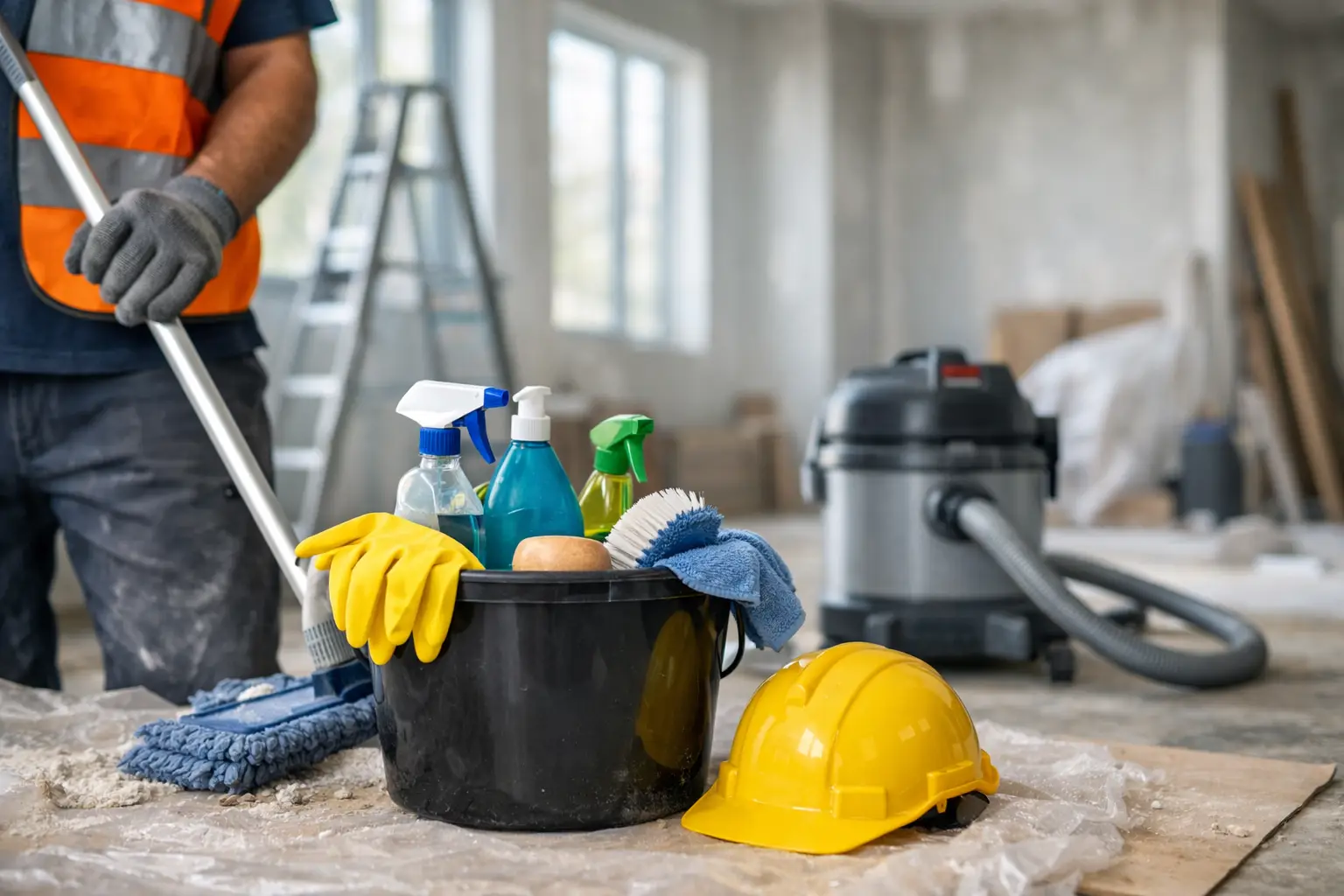
Fresh paint looks great. The fine dust settling on windowsills, baseboards, vents, and floors does not. That is why a solid guide to post construction cleanup matters after any remodel, build-out, or repair. Even a small project can leave behind layers of debris that make a space feel unfinished, unsafe, and harder to enjoy.
Post-construction cleaning is different from routine house cleaning. The job is not just about making things look tidy. It is about removing dust that travels into hidden areas, clearing construction residue from surfaces, and getting the property to a truly usable condition. For homeowners, that means comfort and peace of mind. For businesses and property managers, it means a cleaner handoff and a better first impression.
What makes post-construction cleanup different
Construction debris shows up in places normal messes do not. Drywall dust can cling to trim, settle inside cabinets, coat light fixtures, and drift into HVAC vents. Adhesive residue, paint splatter, caulk smears, and sawdust often need a more careful approach than standard wiping and vacuuming.
There is also a timing issue. Cleaning too early can be frustrating because dust continues to settle after crews leave. Cleaning too late means debris gets tracked deeper into carpet, grout lines, and entryways. In most cases, the best results come after all major work is complete but before furniture, inventory, or daily traffic return to normal.
A practical guide to post construction cleanup
The smartest way to approach post-construction cleaning is in phases. Trying to do everything at once usually leads to rework, especially when dust keeps moving from higher surfaces down to lower ones.
Start with safety and leftover debris
Before detailed cleaning begins, walk the space slowly and look for anything that could cause injury or damage. That includes loose nails, screws, packaging, sharp scraps, broken glass, and larger pieces of material left behind. Sweep or collect bulky debris first so you are not pushing it around while trying to dust and sanitize.
This is also the time to check whether any surfaces need special care. New flooring, fresh paint, natural stone, stainless steel, and recently installed fixtures may require gentler products or methods. Using the wrong cleaner can turn a cleanup project into a repair project.
Work from top to bottom
Dust falls. That simple fact should shape the whole process. Begin with ceiling fans, vents, upper trim, shelves, ledges, and light fixtures. Then move to walls, doors, windows, and cabinetry. Save floors for last.
This order prevents you from cleaning the same surface twice. If you vacuum a floor first and then wipe a dusty vent cover, the floor will need attention again. In a post-construction setting, that wasted effort adds up fast.
Focus on fine dust, not just visible mess
The hardest part of post-construction cleanup is usually the dust you do not notice right away. It settles into corners, around outlet covers, inside closets, on blinds, and across baseboards. It can also collect on top of appliances, inside drawers, and along window tracks.
A dry sweep alone often stirs that dust back into the air. Vacuuming with proper filtration and then following with damp dusting is usually more effective. The goal is capture, not redistribution. This matters even more in homes with kids, pets, or anyone sensitive to airborne particles.
Clean glass, trim, and detail surfaces carefully
Windows, mirrors, and glass doors often show the final signs of a construction project. Dust, fingerprints, stickers, and paint flecks can make an otherwise finished room still look mid-project. The same goes for trim, switch plates, door frames, and hardware.
These details are what make a room feel complete. They are also easy to rush. If the property is being prepared for move-in, listing photos, tenant turnover, or a business opening, this stage has a big effect on presentation.
Areas people often miss
Even thorough DIY cleanups tend to skip a few predictable spots. Vents and returns are common examples. If dust has collected there, turning the system on can spread particles right back into the room. Window tracks, cabinet interiors, the tops of doors, and behind toilets are also frequent misses.
In kitchens and break rooms, post-construction residue can settle inside empty cabinets and drawers before they are stocked. In bathrooms, fine dust often sticks to grout lines, ledges, and around fixtures. In offices or retail spaces, dust on shelving, reception counters, and baseboards can undercut an otherwise polished finish.
When DIY works and when it does not
Some smaller projects are manageable with time, patience, and the right tools. If the work was limited to a single room and did not involve heavy sanding or demolition, a careful homeowner may be able to handle the cleanup. The key is being realistic about what the project left behind.
Larger renovations are different. Whole-home projects, commercial build-outs, flooring replacement, major kitchen remodels, and multi-room repairs often produce more dust and residue than people expect. In those cases, professional cleaning can save hours of labor and reduce the chance that debris gets left in hard-to-reach areas.
It also depends on your timeline. If you need the property ready for guests, tenants, employees, or family right away, a professional team can usually move faster and more systematically than trying to fit cleanup around work and daily responsibilities.
What professional post-construction cleaning usually includes
A professional service typically goes beyond basic tidying. The work often includes removal of dust from surfaces throughout the property, detailed wiping of trim and fixtures, cleaning inside cabinets and drawers, spot removal on walls and glass, floor care, and attention to high-touch areas that need a clean final finish.
The exact scope depends on the property and the project. A newly renovated office may need focused cleaning in work areas, break rooms, and entrances. A home remodel may call for extra attention in bedrooms, bathrooms, and living spaces affected by dust transfer. That is why customized service matters. A one-size-fits-all checklist rarely matches the real condition of the space.
For property owners in Fredericksburg and nearby communities, working with a trained and insured local team can also make coordination easier, especially when cleanup needs to happen on a tight schedule before move-in or reopening.
How to prepare for a smoother cleanup
A little planning can make post-construction cleaning more efficient. If possible, confirm that contractors have removed tools, unused materials, and trash before the cleaning begins. Make sure utilities are on, especially power and water, since both may be needed for a full clean. It also helps to note any delicate finishes or areas of concern in advance.
If the space has an HVAC system running during the project, changing filters after construction is often a smart step. Cleaning the room while leaving dust-loaded filters in place can limit the results. For businesses, it is also helpful to schedule cleanup before restocking or moving furniture back in.
Choosing the right help
If you are hiring out the job, look for a company that understands the difference between standard cleaning and post-construction work. Detail matters here. So does consistency. You want cleaners who can identify residue, work carefully around fresh finishes, and leave the space looking complete rather than simply less dusty.
This is where experience and communication count. A dependable company should be clear about what is included, how the cleaning will be approached, and whether the service can be tailored to the size and condition of the property. BrightHouse Cleaners serves homes and businesses that need that kind of practical, detail-focused support after renovation and repair work.
Why the final clean matters more than people think
The last stage of a project shapes how the whole job feels. Beautiful upgrades can get lost under dusty surfaces, smudged glass, and gritty floors. On the other hand, a thorough cleanup helps new countertops shine, makes floors feel finished, and lets the quality of the work actually show.
A good post-construction clean is not an extra. It is the step that turns a work site back into a comfortable home, a ready-to-show rental, or a professional business space people can walk into with confidence. If you plan it well, the result is simple – less stress, fewer loose ends, and a space that finally feels ready.