
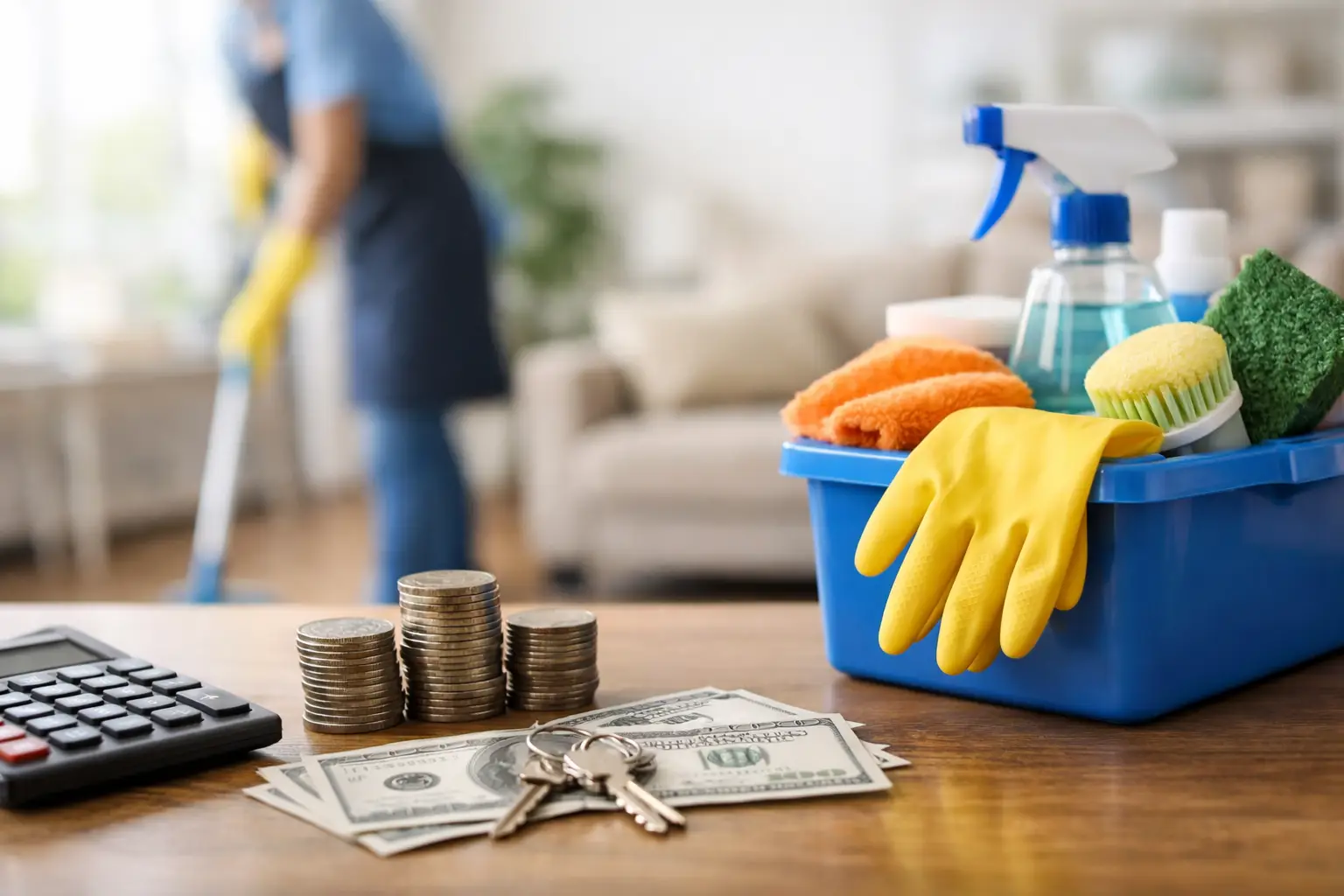
If you have ever looked around your home after a long week and wondered how much does residential cleaning cost, the honest answer is this: it depends on the size of the home, the type of cleaning, and how often you want service. A smaller apartment with light upkeep may cost far less than a larger home that needs a deep top-to-bottom reset. The good news is that once you know what drives pricing, it becomes much easier to budget for the right service.
For most households, professional cleaning is less about luxury and more about buying back time, reducing stress, and keeping the home consistently comfortable. That is especially true for busy families, professionals, renters preparing for a move, or anyone who wants reliable help without the hassle of doing everything alone.
How much does residential cleaning cost on average?
Residential cleaning prices usually fall into a few common ranges. A standard recurring cleaning for a modest home may cost somewhere around $100 to $200 per visit, while larger homes or homes with more bathrooms, pets, or heavier buildup can run higher. Deep cleaning is typically more expensive than routine cleaning because it takes longer and requires more detailed work.
Move-in and move-out cleaning also tends to cost more than basic maintenance cleaning. These visits often include inside cabinets, baseboards, appliances, and other areas that are not always part of a routine service. If a home has not been professionally cleaned in a while, the first appointment may be priced above future recurring visits.
In many markets, cleaners may price by the hour, by the square footage, or by the job. Flat-rate pricing is common because it gives homeowners a clearer expectation before the appointment. Hourly pricing can still make sense in homes where the scope may change or where the client wants to prioritize certain rooms.
What affects residential cleaning prices?
The biggest factor is the amount of labor involved. Cleaning companies are not simply pricing supplies. They are pricing time, training, consistency, and the effort it takes to leave a home in noticeably better condition.
Home size and layout
A one-bedroom apartment generally costs less to clean than a four-bedroom home, but square footage is only part of the story. A home with multiple bathrooms, stairs, playrooms, or separate living spaces can take longer than a more open layout of the same size.
Type of cleaning
Routine cleaning is usually the most budget-friendly option on a per-visit basis. It focuses on maintaining a clean home with tasks like dusting, vacuuming, mopping, bathroom cleaning, and kitchen wipe-downs. Deep cleaning costs more because it covers more detail work and often addresses buildup in neglected areas.
Move-out cleaning, post-construction cleaning, and one-time cleanings are also typically priced above recurring service. These jobs require more time and often involve heavier debris, extra attention to surfaces, or a stricter standard for turnover.
Frequency of service
Weekly, biweekly, and monthly cleanings are often priced differently. Homes cleaned more often are usually easier to maintain, which can reduce the time needed per visit. That is why recurring customers often receive better value than someone booking a one-time cleaning every few months.
Current condition of the home
Two homes with the same floor plan can have very different price quotes. A tidy home that has been maintained regularly will usually take less time than a home with pet hair buildup, soap scum, grease, clutter, or long gaps between cleanings.
This is one reason why many companies ask about the condition of the home before giving a quote. It helps set fair expectations for both sides.
Special requests
Extras can change the price. Inside oven cleaning, inside refrigerator cleaning, interior windows, laundry folding, or detailed baseboard work may be add-ons rather than part of a standard package. If you want those tasks included, it is best to ask upfront so the estimate reflects the full scope.
Routine cleaning vs. deep cleaning
A lot of pricing confusion comes from not knowing which service fits the home.
Routine cleaning is designed to maintain a space that is already in reasonably good shape. It helps keep dust, crumbs, bathroom grime, and general mess from building up. If you want your home to stay consistently fresh with less effort on your part, this is often the most practical choice.
Deep cleaning is a better fit when the home needs more attention at the start. Maybe life got busy, maybe you are hosting guests, or maybe you simply want a full reset before beginning recurring service. A deep clean usually reaches more buildup and detail areas, so it costs more at first but can make future maintenance visits simpler and more affordable.
That trade-off matters. Paying more for an initial deep cleaning can reduce frustration later because the cleaner is maintaining a clean baseline instead of trying to catch up every visit.
Why some quotes seem much higher than others
If you compare prices from different companies, you may notice a wide range. That does not always mean one company is overcharging. It often means the services are not equal.
A low quote may reflect a lighter checklist, fewer insured protections, less experienced staff, or a rushed appointment window. A higher quote may include trained and insured cleaners, better communication, eco-friendly products, more detailed work, and a more dependable scheduling process.
For homeowners, value usually matters more than the lowest number. A cheaper cleaning is not a bargain if corners are cut, appointments are inconsistent, or you need to re-clean after the team leaves. The best quote is the one that matches your home, your priorities, and the level of trust you want from the people entering your space.
How to budget for professional house cleaning
If cost is a concern, start with the outcome you actually need. Some households benefit most from biweekly maintenance. Others may prefer a monthly cleaning paired with their own light upkeep in between. If your schedule is unpredictable, one-time or occasional cleanings may be enough.
You can also control pricing by focusing on priority areas. Kitchens, bathrooms, floors, and high-traffic surfaces tend to deliver the biggest visible impact. If you do not need every room cleaned every time, ask whether a customized plan is available.
For homes in the Fredericksburg area, local companies may be able to offer more flexible plans than large national chains because they understand neighborhood needs, property types, and common scheduling preferences. That local familiarity can make the process smoother when you want consistent service rather than a one-size-fits-all package.
Questions to ask before you book
Before choosing a cleaning service, ask how pricing works and what is included in the visit. That simple step helps avoid surprises and makes it easier to compare estimates fairly.
You should also ask whether the cleaners are trained and insured, whether supplies are included, and whether the quote is based on a standard cleaning or a deep cleaning. If you have pets, delicate surfaces, or specific preferences about products, bring that up early.
A reliable company should be comfortable explaining its process in clear terms. If the estimate feels vague, the service may feel that way too.
Is residential cleaning worth the cost?
For many people, yes. The value is not only in a cleaner home. It is in getting hours back each week, reducing the mental load of household upkeep, and knowing the job will be handled consistently. That peace of mind matters, especially for busy households balancing work, family, and everything else.
Professional cleaning can also help protect the condition of the home. Regular attention to bathrooms, kitchens, floors, and high-touch surfaces can prevent grime from turning into a bigger problem that takes more effort and money to fix later.
At its best, a cleaning service should feel like support, not another chore to manage. Companies like BrightHouse Cleaners build trust by making pricing clear, tailoring service to the home, and showing up ready to do the work well.
If you are trying to decide what fits your budget, think less about the cheapest possible visit and more about what level of help will make your home easier to live in. The right cleaning plan should leave you with a space that feels lighter, calmer, and easier to keep that way.