
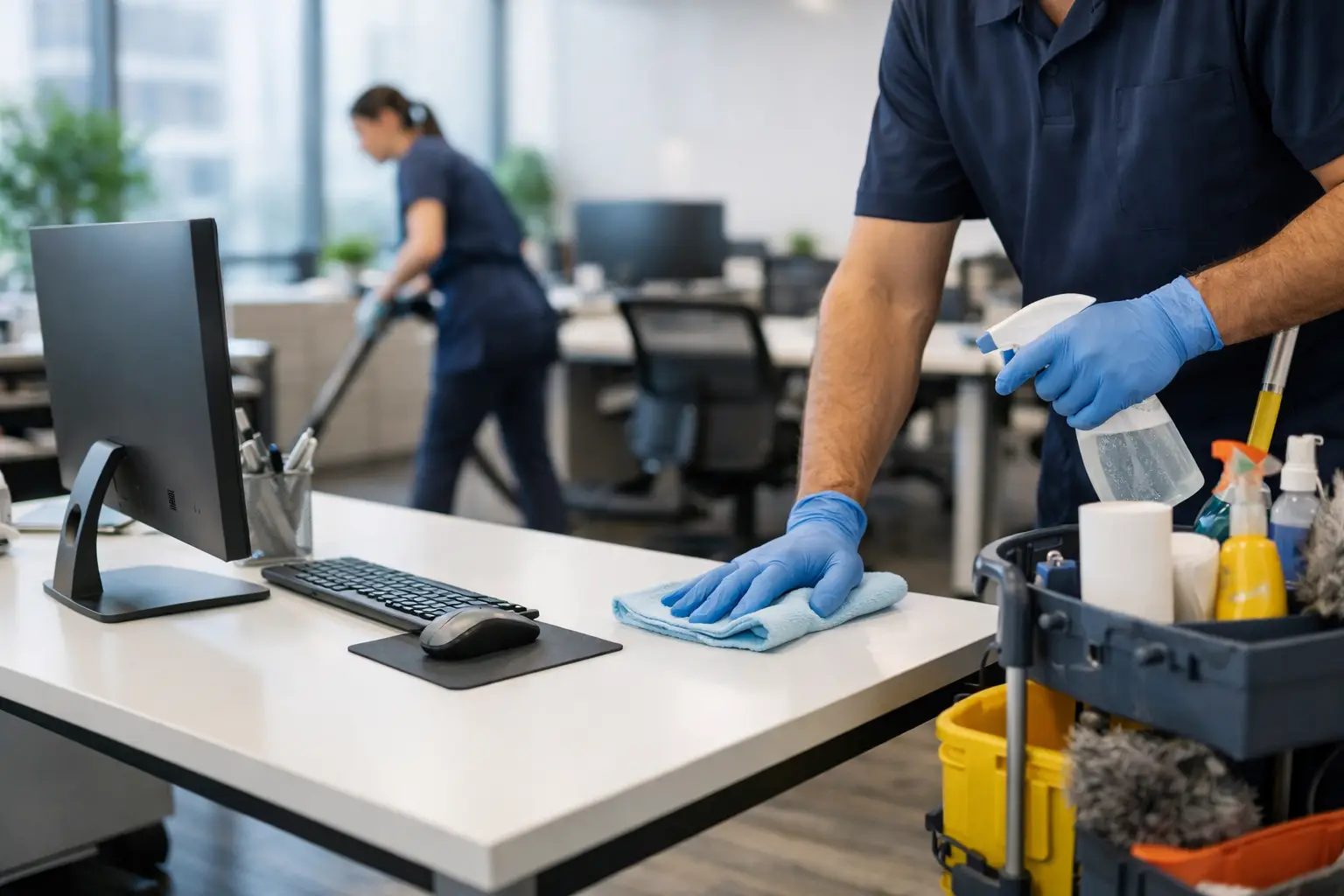
A front lobby can look fine at 9 a.m. and feel tired by 3 p.m. after muddy shoes, coffee runs, fingerprints on glass, and a break room sink that somehow fills itself. That is why one of the most common questions business owners ask is how often should offices be cleaned. The short answer is that most offices need some level of cleaning every day, but the right schedule depends on traffic, layout, the type of work being done, and how polished the space needs to look for staff and visitors.
If you are trying to set a realistic cleaning plan, it helps to think in layers. Not every task belongs on the same schedule. Trash removal and restroom cleaning may need daily attention, while carpet care, interior windows, and deep detail work can happen weekly or monthly. A good office cleaning plan is not about cleaning everything all the time. It is about cleaning the right things at the right frequency so the space stays healthy, presentable, and easy to maintain.
How often should offices be cleaned for best results?
For most standard offices, a practical baseline is daily attention to high-use areas, weekly cleaning for broader surface care, and monthly or quarterly deep cleaning for buildup that does not show up right away. That rhythm keeps the office consistently clean without paying for more service than you actually need.
A small office with a few employees and little foot traffic may do well with professional cleaning two to three times per week if staff handle light tidying between visits. A busy office with shared desks, conference rooms, public-facing entrances, and frequent visitors usually benefits from daily cleaning. Medical-adjacent settings, childcare offices, or facilities with strict sanitation expectations may need multiple touchpoints each day.
The key is matching the schedule to real use, not guesswork. If restrooms run out of supplies, floors look worn before the week ends, or the break room starts to smell by midweek, your current frequency is probably too light. If the office stays in great shape and cleaners are repeating the same low-impact tasks too often, you may have room to adjust.
What affects office cleaning frequency?
The biggest factor is foot traffic. More people in the building means more dirt tracked in, more touchpoints, more restroom use, and faster clutter buildup. An office with 8 employees on staggered schedules simply does not need the same service plan as one with 40 people on-site every day.
Layout also matters. Open offices collect dust differently than private offices. Large glass entryways show smudges quickly. Carpeted spaces may look clean on the surface while holding dust and debris underneath. Break rooms, reception areas, and shared conference rooms usually need more frequent attention than low-use storage areas or back offices.
Another factor is the type of business. A law office, real estate office, call center, design studio, and warehouse office may all have very different cleaning needs even if they have similar square footage. Client-facing businesses usually need a more polished appearance every day. Workplaces where employees eat at desks, move between indoors and outdoors, or share equipment often need more frequent disinfecting and detail cleaning.
Seasonal conditions can change your schedule too. During rainy weeks, winter slush, allergy season, or flu season, offices tend to need more support. In places like Fredericksburg and the surrounding area, where weather can shift quickly, entryways and floors often take the hit first.
A practical office cleaning schedule
The easiest way to answer how often should offices be cleaned is to separate tasks by frequency.
Daily office cleaning tasks
Most offices should have daily service for the areas people touch and notice most. This usually includes emptying trash and replacing liners, cleaning and disinfecting restrooms, wiping sinks and counters, restocking soap and paper products, vacuuming or mopping high-traffic floors, tidying reception areas, and cleaning break room surfaces.
High-touch points deserve daily attention as well. Door handles, light switches, shared desks, conference tables, appliance handles, and elevator buttons can collect germs quickly. Even in a healthy workplace, daily disinfecting helps reduce spread and keeps the office feeling fresher.
Weekly office cleaning tasks
Weekly service usually goes beyond appearance and addresses the buildup that daily wipe-downs miss. This can include deeper vacuuming, edge work on floors, dusting desks and baseboards, cleaning glass partitions, wiping chairs, sanitizing phones and shared equipment, and giving kitchens and break rooms a more complete reset.
Weekly cleaning is also a good time to catch the details that affect first impressions. Smudged interior glass, dusty blinds, fingerprints around door frames, and grime around trash cans can quietly make a clean office feel less cared for.
Monthly or quarterly deep cleaning
Some tasks do not need weekly attention, but they should not be ignored. Carpet extraction, upholstery cleaning, high dusting, vent cleaning, detailed floor care, and deep restroom attention are often best handled monthly or quarterly depending on use. This is where long-term maintenance happens.
If these deeper tasks get pushed too far out, the office may still look acceptable at a glance while odors, stains, and wear slowly build up. Regular deep cleaning protects flooring, extends the life of furnishings, and prevents the need for larger restoration work later.
Signs your office needs cleaning more often
Sometimes the best indicator is not a checklist. It is how the space feels to the people using it.
If employees are wiping down surfaces themselves just to feel comfortable, the schedule may be too light. If visitors walk into a reception area with full trash cans, dusty furniture, or streaky glass, that first impression lands before anyone says hello. And if restrooms or break rooms seem fine right after cleaning but noticeably worn a day later, your traffic level may have outgrown the current plan.
Odors are another clue. Lingering food smells, stale air, and restroom odors usually mean surfaces, drains, trash, or soft materials need more frequent attention. Illness trends can matter too. Cleaning is not the only factor in workplace health, but regular disinfection of shared surfaces supports a cleaner, more comfortable environment.
Signs you may be overcleaning
Yes, that can happen too. Not every office needs nightly service. A small professional suite with limited traffic may do better with two or three well-planned visits per week plus a monthly deep clean. If the office remains orderly, trash stays controlled, and restrooms are lightly used, daily full-service cleaning may be more than necessary.
The trade-off is simple. Cleaning too little can affect appearance, hygiene, and employee comfort. Cleaning too often can add cost without much added value. The right schedule sits in the middle and changes as your office changes.
How to choose the right cleaning frequency for your office
Start with three questions. How many people use the space each day? Which areas get the most traffic or create the strongest impression? And what level of cleanliness do you need to maintain for staff, clients, or compliance?
From there, build a schedule around actual use. Many offices benefit from a customized plan instead of a one-size-fits-all package. You might need daily restroom and break room cleaning, three-times-weekly floor care, and monthly deep detail work. Another office may need full nightly service because of client traffic and shared workstations.
It also helps to think beyond square footage. A smaller office with constant visitors can need more cleaning than a larger but quieter workplace. Frequency should reflect how the office functions day to day.
For businesses that want a dependable routine without overcomplicating it, working with a local company that can adjust the scope over time is often the most practical option. BrightHouse Cleaners, for example, focuses on flexible cleaning plans so businesses can match service to their space, budget, and schedule instead of forcing their office into a generic package.
How often should offices be cleaned during cold and flu season?
During periods of higher illness risk, it often makes sense to increase cleaning frequency in shared spaces. Daily disinfecting of high-touch surfaces becomes even more important, and some offices add daytime touch-up service for restrooms, entry areas, and common equipment.
This does not always mean doubling the entire cleaning plan. Sometimes a small adjustment makes the biggest difference. Extra attention to shared kitchens, conference rooms, front desks, and restroom fixtures can help support a cleaner environment without overextending the budget.
A clean office is really about consistency
Most offices do not need perfection. They need consistency. Floors should feel cared for, restrooms should stay fresh, trash should not pile up, and shared spaces should be ready for the next person who walks in. When cleaning happens on the right schedule, the whole workplace runs more smoothly, from employee comfort to client impressions.
If you are weighing how often should offices be cleaned, the best answer is the one that fits your real traffic, your standards, and your day-to-day operations. A thoughtful schedule does more than keep the place tidy. It gives your team a space that feels ready for work every single day.