
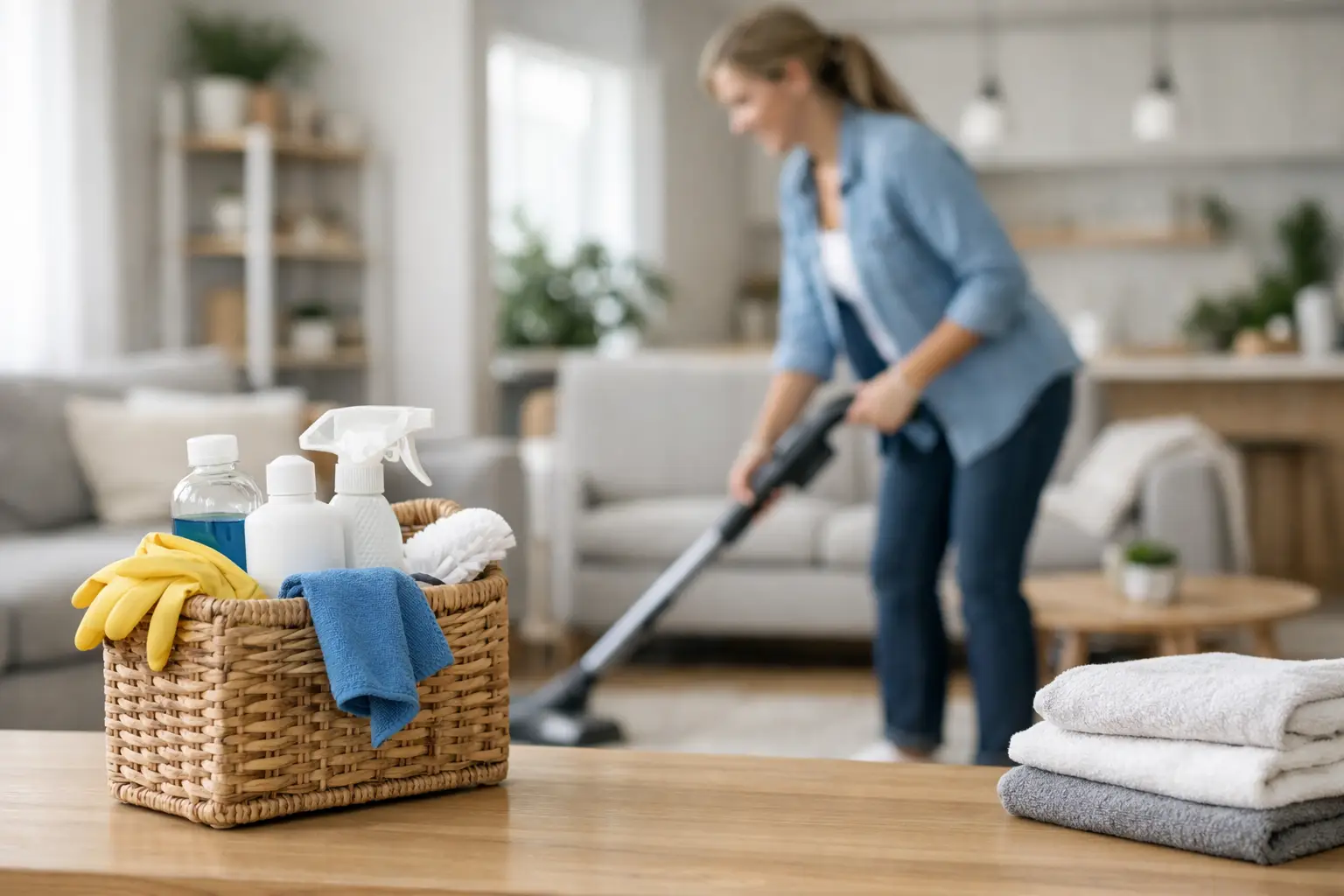
A home usually does not get messy all at once. It happens in small ways – shoes by the door, mail on the counter, dishes left for later, laundry that stays in the basket one extra day. That is why learning how to maintain a cleaner home is less about marathon cleaning sessions and more about creating a routine that keeps mess from building up in the first place.
For most households, the real challenge is not knowing what to clean. It is finding a realistic way to stay ahead of the clutter, dust, and daily wear that come with work, kids, pets, guests, and busy schedules. A cleaner home comes from systems you can actually keep, not standards that look good for one day and fall apart by the weekend.
How to maintain a cleaner home without doing everything at once
The best approach is to think in layers. There is daily upkeep, weekly resetting, and occasional deeper cleaning. When those layers work together, your home feels manageable even when life gets busy.
Daily upkeep is what keeps the home from slipping. Weekly resetting handles the areas that naturally collect grime. Deep cleaning takes care of the buildup that regular routines miss. If you expect yourself to do all three at full strength every day, the plan will not last. If you give each type of cleaning its own place, the house stays cleaner with less stress.
This also means accepting that not every room needs the same level of attention. Kitchens and bathrooms usually need frequent care. Guest rooms and formal spaces can often wait longer. A useful cleaning routine reflects how your home is really used.
Start with the habits that make the biggest difference
A few consistent habits do more than an occasional all-day cleaning burst. If your goal is a home that looks and feels clean most of the time, start with the places where mess spreads quickly.
The kitchen is usually first. Wiping counters after meals, loading the dishwasher right away, and doing a quick evening sink reset can change the feel of the entire home. A dirty kitchen tends to make the whole house feel behind, even when other rooms are in decent shape.
Floors are another major factor. You do not need to mop every day, but staying ahead of crumbs, dirt at entry points, and pet hair keeps your home looking noticeably cleaner. In many homes, a fast vacuum or sweep in key areas does more for appearance than reorganizing an entire room.
Bathrooms matter for the same reason. A quick wipe of the sink, mirror, and toilet surface a few times a week prevents that just-cleaned feeling from disappearing too fast. Once soap scum and grime sit for too long, the job takes longer and feels more frustrating.
Make clutter control part of your cleaning routine
One reason cleaning feels harder than it should is that many people are not only cleaning. They are also sorting, moving, and deciding where things belong. That extra decision-making slows everything down.
A cleaner home is easier to maintain when everyday items have an obvious place. Bags, shoes, mail, chargers, toys, and water bottles tend to land wherever there is space. If they do not have a set home, they create visual clutter that makes rooms feel dirtier than they are.
Try reducing the number of surfaces that attract drop zones. Kitchen counters, entry tables, and bedroom dressers often become holding areas for random items. Keeping those surfaces mostly clear helps a home look cleaner between full cleanings.
It also helps to be honest about storage. If closets and cabinets are already overfilled, organizing is not really the issue. At that point, maintaining order may require getting rid of what you no longer use or need. Less excess usually means less to dust, move, wash, and manage.
Build a weekly rhythm that fits real life
The most effective cleaning schedule is the one your household can repeat. Some people prefer to assign tasks by day, while others do better with a single reset day and short touch-ups during the week. Neither is better in every home.
If weekdays are packed, keep your weekday routine light. Make beds, clear counters, run dishes, and do one small floor check. Then use one block of time on the weekend to catch up on bathrooms, vacuuming, and laundry. This works well for busy professionals and families who need structure without too many daily tasks.
If weekends are full of sports, errands, or travel, spreading tasks across the week may be easier. You might handle bathrooms on Tuesday, floors on Wednesday, dusting on Thursday, and bedding on Friday. The advantage is shorter work sessions. The trade-off is that you need enough consistency to avoid skipping the same task week after week.
For larger households, it often helps to divide responsibility by zone rather than by broad instruction. Telling someone to clean up is vague. Telling them to clear the dining table, wipe it down, and sweep under it is much easier to follow.
Focus on high-traffic areas first
If time is limited, prioritize the spaces people use every day. That usually means the kitchen, main bathroom, living area, and entryway. These areas affect comfort, hygiene, and first impressions more than the rest of the home.
This matters for practical reasons. A spotless guest room will not offset a sticky kitchen floor or a cluttered front entry. When you focus on the rooms that carry the most daily traffic, your effort goes further.
For homes in the Fredericksburg area, weather can make this even more noticeable. Rain, pollen, mud, and seasonal debris get tracked in fast, especially through entry points and common areas. A simple routine for shoes, mats, and quick floor care can cut down on the mess before it moves through the house.
Use the right standard for each room
Not every room needs showroom-level attention. That mindset can make cleaning feel endless.
A well-maintained family room may still have a blanket on the couch and books on the side table. A clean kitchen may have appliances on the counter if they are used often. The goal is not to make your home look untouched. The goal is to keep it sanitary, comfortable, and under control.
This is where many people get stuck. They aim for perfect and then feel discouraged when normal life returns within hours. A better standard is reset, not perfection. Ask whether the room is ready for the next part of the day. Can you cook in the kitchen, relax in the living room, and get ready in the bathroom without dealing with yesterday’s mess first?
Know when a deeper clean is the better answer
Sometimes a home is hard to maintain because it is already carrying too much buildup. In that case, daily habits alone may not be enough at the start.
If baseboards are dusty, bathrooms have heavy soap residue, kitchen grease has built up, or rooms feel stale even after tidying, a deeper clean can give you a much better baseline. After that, regular upkeep becomes more realistic because you are maintaining clean surfaces instead of fighting layers of old buildup.
This is especially useful before a busy season, after hosting guests, during a move, or when work and family demands have pushed housework to the side for a while. Many households benefit from occasional professional help for that reason. It is not about giving up on routine. It is about resetting the home so routine works again.
Create a routine that works even on busy weeks
The routine that keeps a home clean should still work when life is not calm. That means it needs some flexibility built in.
On busy weeks, reduce your routine to essentials. Keep dishes moving, wipe kitchen surfaces, do a quick bathroom check, and stay ahead of trash and laundry. Those few actions prevent the kind of buildup that turns one missed week into a much bigger job.
It also helps to set time limits. A focused 15-minute reset in the evening is often more effective than waiting for the perfect open afternoon. Small windows of effort count, especially when they happen consistently.
If your schedule changes often, customized support can make a real difference. Some households do well with recurring service, while others need help only during moves, seasonal resets, or especially busy stretches. The right solution depends on your home, your schedule, and how much cleaning you want to handle yourself.
A cleaner home is rarely the result of one big fix. It comes from practical habits, realistic standards, and support when you need it. When your routine fits your actual life, cleanliness stops feeling like a constant catch-up and starts feeling like part of how your home runs.