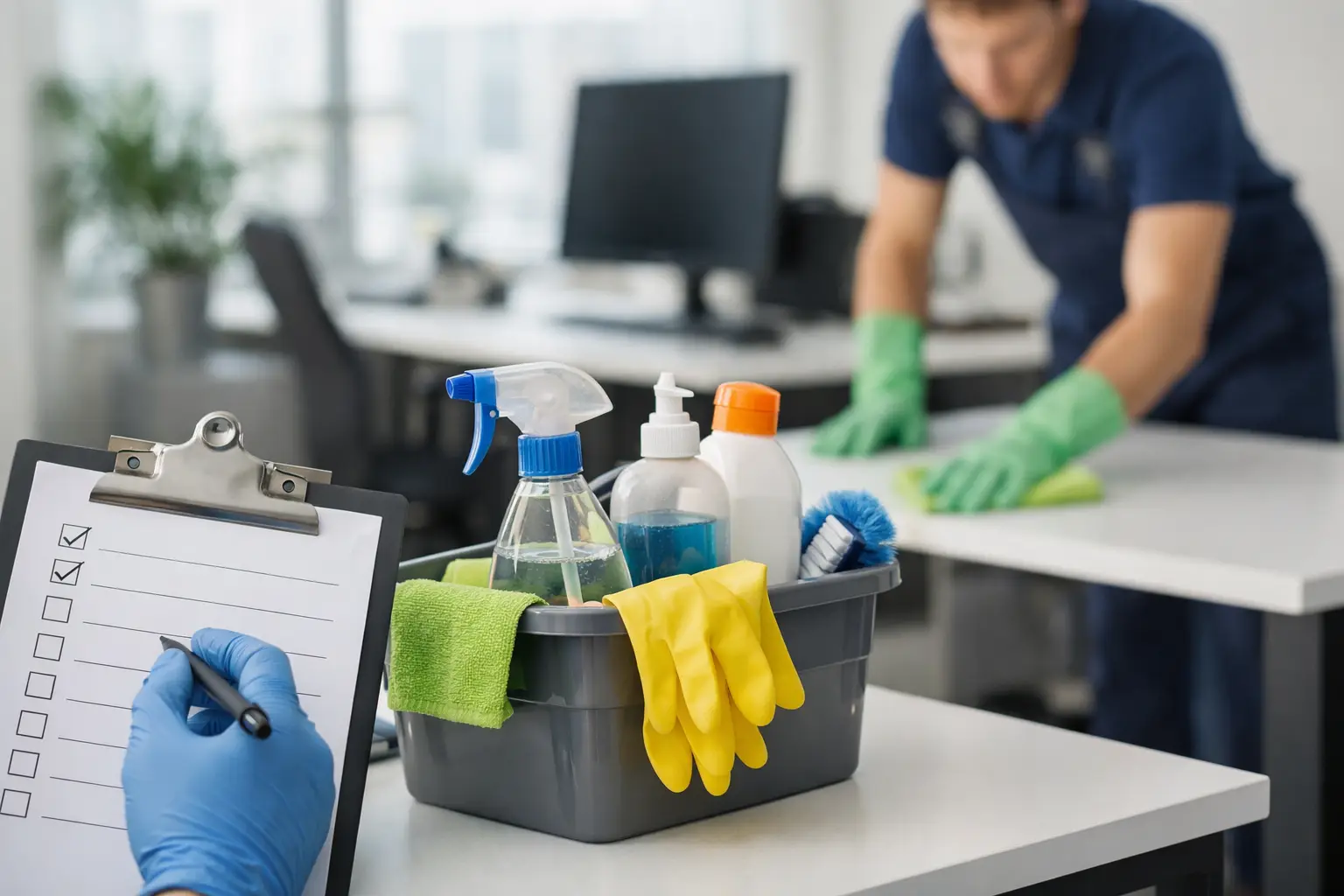
A missed trash pull on Friday afternoon can make the whole office feel neglected by Monday morning. That is why a solid office cleaning checklist example matters so much. It turns cleaning from a reactive scramble into a consistent routine that protects appearance, hygiene, and the day-to-day experience of everyone using the space.
For most offices, the goal is not just to make things look tidy. It is to keep shared surfaces sanitary, restrooms stocked, floors presentable, and work areas ready for employees, clients, and visitors. The best checklist is simple enough to follow, detailed enough to prevent missed tasks, and flexible enough to fit the size and traffic level of the workplace.
What a good office cleaning checklist example should include
A useful checklist does more than name a few obvious tasks. It separates work by frequency so nothing gets overlooked and no one wastes time over-cleaning low-priority areas. In a smaller office, one visit may cover everything. In a busier workplace, daily touch-up cleaning and scheduled deep cleaning usually work better together.
It also helps to organize tasks by area. Reception, workstations, breakrooms, restrooms, and floors all have different cleaning needs. When everything is grouped logically, the checklist becomes easier to use and easier to delegate.
Office cleaning checklist example by frequency
Below is a practical office cleaning checklist example that can be adapted for professional offices, shared workspaces, clinics with non-medical office areas, and small business settings.
Daily office cleaning tasks
Daily cleaning should focus on high-use surfaces and anything that affects comfort, appearance, or hygiene right away. This usually starts with emptying trash and replacing liners as needed, especially in reception areas, kitchens, and restrooms. Overflowing bins quickly make an office feel unclean, even if everything else is in good shape.
Common touchpoints should also be cleaned and disinfected each day. That includes door handles, light switches, reception counters, shared desks, conference tables, phones, keyboards in common-use areas, elevator buttons, and copier controls. In offices with frequent visitors or shared equipment, these spots deserve extra attention.
Restrooms need daily care in almost every office. Toilets and urinals should be cleaned and disinfected, sinks wiped down, mirrors polished, counters sanitized, and floors spot cleaned or mopped. Supplies should be checked at the same time so soap, paper towels, and toilet paper do not run out during the day.
Breakrooms are another daily priority. Counters should be wiped and sanitized, sinks cleaned, tables cleared, appliance fronts wiped, and spills handled right away. If food waste builds up, odors follow quickly.
Floors often need a mix of spot treatment and routine care. Entryways may need vacuuming or sweeping every day, while hard floors in high-traffic lanes often need mopping. Glass doors and interior glass panels should be checked for fingerprints because they affect first impressions more than people realize.
Weekly office cleaning tasks
Weekly cleaning handles the buildup that daily maintenance does not fully address. This is when a team can go beyond quick wipe-downs and focus on more thorough surface care.
Dusting should happen weekly across desks, windowsills, shelves, baseboards, ledges, and office furniture. Even in offices that look clean, dust collects fast around electronics, vents, and low-traffic corners. If allergies are a concern, this part of the checklist becomes even more valuable.
A weekly schedule should also include vacuuming all carpeted areas more thoroughly, not just visible walkways. Under desks, around chair bases, and along edges tend to hold debris that casual cleaning misses. Hard floors benefit from a fuller mop or machine cleaning depending on the material and amount of use.
Conference rooms usually need extra weekly attention because they experience irregular but intense traffic. Tables, chairs, remotes, presentation equipment, and glass surfaces should all be cleaned carefully. This helps keep shared rooms ready without a last-minute scramble before meetings.
In the kitchen or breakroom, weekly tasks might include cleaning the microwave interior, wiping cabinet fronts, sanitizing chair backs, and checking for expired food in the refrigerator if that is part of the service agreement. Not every office wants refrigerator cleanouts handled by a cleaning crew, so this is one of those areas where expectations should be set clearly.
Monthly and periodic office cleaning tasks
Monthly cleaning is where preventive care pays off. These tasks keep the office from slowly looking worn down, even when daily cleaning is consistent.
This part of the checklist often includes dusting vents, cleaning behind and beneath movable furniture, wiping interior windows more thoroughly, removing marks from walls, disinfecting trash cans, and polishing hard floor surfaces if appropriate. Upholstered chairs may need spot treatment, and carpets may need attention to stains before they set permanently.
Restrooms can also benefit from deeper monthly work, such as scrubbing grout lines, detailing partitions, cleaning around plumbing fixtures, and addressing mineral buildup around faucets. These are easy to postpone, but they make a noticeable difference over time.
For offices with a lobby or client-facing entrance, periodic deep cleaning of glass, mats, and corners is worth scheduling. Those details shape how professional the entire business feels.
How to customize an office cleaning checklist example
A checklist should reflect how your office actually operates. A law office with private rooms will need a different plan than a busy real estate office with constant foot traffic. A five-person workplace may only need a few key tasks several times a week, while a larger office may need daily service with rotating deep-clean items.
Traffic is the first thing to consider. The more employees, visitors, deliveries, and shared spaces involved, the more often restrooms, floors, and touchpoints need service. Season matters too. Rainy weeks create extra floor care needs, and cold and flu season usually increases demand for disinfecting.
The second factor is layout. Open offices often collect dust and debris in wider floor areas, while smaller suite-style offices may need more attention on door handles, private trash bins, and glass. If your team eats lunch at desks, workstation cleaning becomes more important. If most food stays in one breakroom, the focus shifts there.
Then there is budget. Not every business needs every task every visit. In many cases, a smart checklist balances cost and results by reserving deep-detail work for weekly or monthly service while keeping daily visits focused on the essentials.
Common mistakes that make checklists less effective
One common problem is making the list too vague. A line that says clean restroom sounds fine until different people interpret it differently. A stronger checklist breaks that task into visible actions like disinfect toilets, wipe counters, polish mirrors, restock supplies, and mop floors.
Another issue is overloading one visit with everything. That tends to create rushed work and inconsistent results. Separating tasks by daily, weekly, and monthly frequency keeps standards realistic and easier to maintain.
It is also easy to forget about supply checks. A restroom may be freshly cleaned and still frustrate employees if soap dispensers are empty. The same goes for paper towels, toilet paper, and trash liners.
Finally, many offices treat the checklist as fixed forever. In reality, it should be reviewed as staffing, traffic, and office use change. A cleaning plan that worked for ten people may not work the same way after a team expansion or schedule shift.
When professional cleaning makes more sense
Some offices can handle light upkeep in-house, but there is usually a limit. When employees are expected to manage restrooms, breakrooms, trash, and floor care on top of their actual jobs, standards tend to slip. It also creates inconsistency because cleaning gets done only when someone notices a problem.
Professional service brings structure and accountability. A trained team works from a defined checklist, uses the right products for different surfaces, and can adjust service frequency based on your office needs. For businesses in Fredericksburg and nearby areas, that often means less stress for staff and a more polished space for clients and employees alike.
If you use a local company such as BrightHouse Cleaners, the biggest benefit is usually customization. A good office checklist should fit your space, not force your space into a generic plan.
A simple standard to aim for
The best checklist is the one people can actually follow and trust. If an employee, manager, or cleaning team can walk through the office and clearly see what was done, the checklist is doing its job.
A clean office supports health, protects your professional image, and makes the workday feel more organized from the moment someone walks in. Start with the basics, adjust for your space, and keep the routine consistent. Small details, done reliably, are what make an office feel truly cared for.